Origin · Wielkopolska
Why Polish-made furniture is the best value in Europe.
Poland is, quietly, the largest furniture producer in the European Union. Most of the premium upholstery sold across Germany, Austria, the Netherlands and Belgium is built in Polish workshops. Here is what that means for the price you pay.
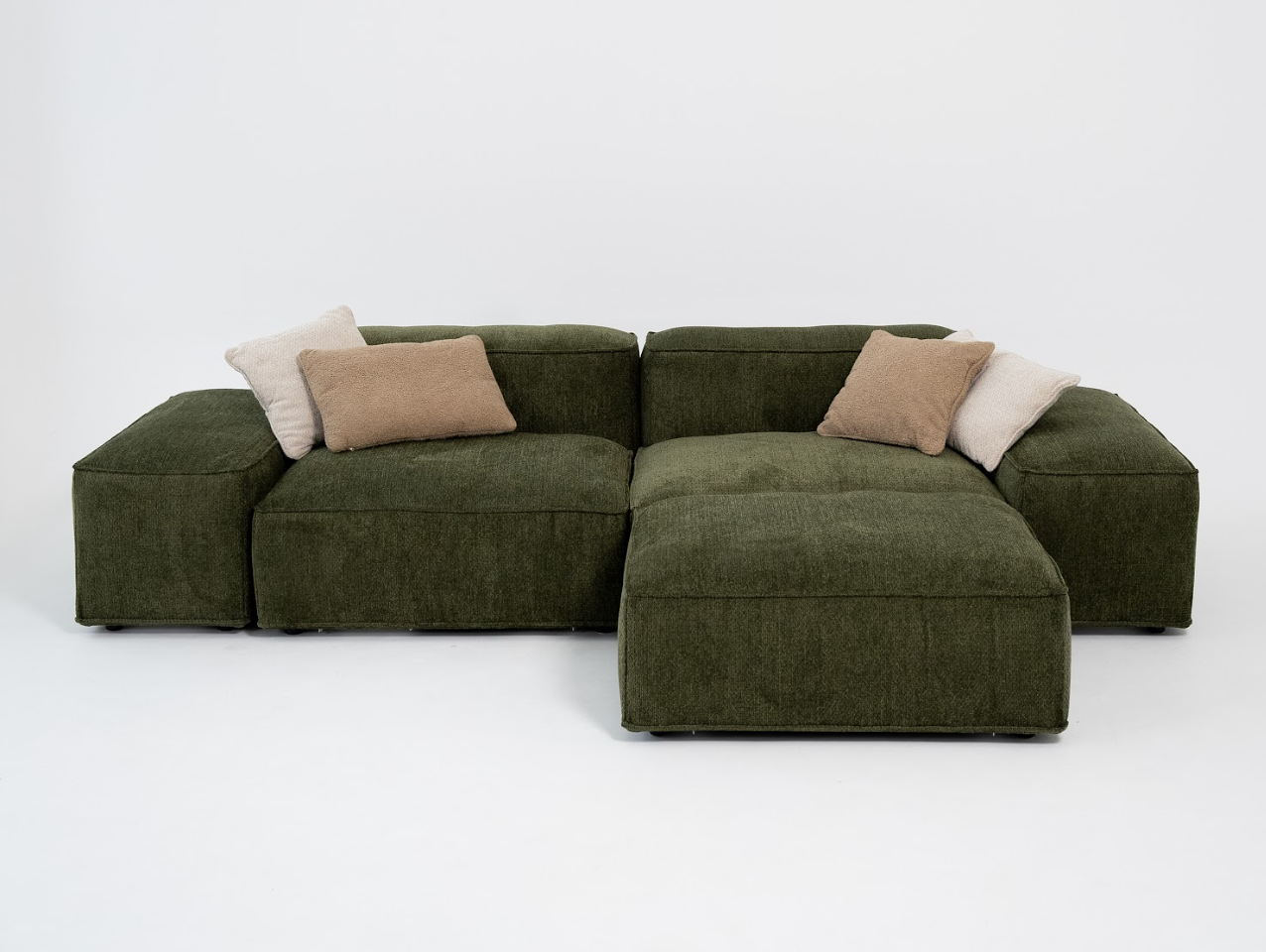
If you live in Berlin, Munich, Vienna, Amsterdam or Antwerp and you bought a premium sofa in the last five years, there is a very good chance it was built in Poland. The country produces roughly a third of the European Union's upholstered furniture, more than Germany, Italy and France combined, and most of that production ships out under other brands' names.
The scale of Polish furniture
Poland is the EU's largest furniture exporter and one of the top three globally, behind only China and Vietnam. Within Europe, it is the dominant supplier of mid- to high-end upholstery. Walk through any large furniture retailer in DACH or the Benelux and the majority of three-seater sofas on display will, on inspection of the manufacturing label, carry "Made in Poland."
Poland produces more upholstered furniture than Germany, Italy and France combined.
A craft tradition, not a labour story
The reflexive Western European explanation, "cheaper labour", is the wrong story. Polish upholstery is concentrated in the Wielkopolska region around Poznań, in towns where cabinet-making and furniture craft have been the dominant local trade for several generations. The workshops are not assembly lines; many remain family-run, third or fourth generation.
The combination of inherited craft, proximity to Central European hardwood mills (oak, beech, ash sourced within a few hundred kilometres) and modern manufacturing infrastructure is unique on the continent. Italy has the heritage but at twice the labour cost. Germany has the cost but increasingly imports its frames. Poland has both.
Why the same sofa costs half as much
On a like-for-like specification, kiln-dried beech frame, HR-foam at 35 kg/m³, 50,000 Martindale weave, a sofa that retails for €3,900 in a German showroom can ship from the Polish workshop that built it at €1,950, delivered to anywhere in the EU. The materials are identical. What changes is the route the sofa takes between the workshop and your living room.
The brands you already own
We will not name names. But a substantial share of the premium furniture sold under well-known German, Austrian, Dutch and Italian labels is produced under licence in Polish workshops. Some of those brands are honest about it; many are not. The provenance is usually in the small print on the manufacturer's compliance sticker, in the corner of the sofa frame, under the seat cushion.
What direct-to-consumer changes
When the workshop sells directly, without a distributor, without a showroom, without a reseller, the buyer in Düsseldorf, Vienna, Rotterdam or Brussels receives the same sofa the showroom would have sold, minus the markup that paid for the showroom. The math is simple and, for the buyer, very favourable.
The Polish furniture industry has spent a generation building products that the rest of Europe sells under other names. Buying directly is, in a sense, simply meeting the manufacturer at the door of their own workshop.
Questions answered
Common questions
- Is Polish furniture good quality?
- Yes, Poland is the largest furniture producer in the EU and one of the top three globally. Many of the premium European furniture brands manufacture in Polish workshops; the same factories supply both branded retailers and direct-to-consumer makers.
- Where in Poland is the furniture industry concentrated?
- The Wielkopolska region (around Poznań) and the southwestern voivodeships of Lower Silesia and Lubuskie host the largest concentration of upholstery workshops in Europe, with a craft tradition that predates the modern industry by several generations.
- Why is Polish-made furniture cheaper at the same quality?
- Lower labour and energy costs than Germany or Italy, combined with deep cabinetmaking tradition and proximity to European hardwood sawmills, let Polish workshops build the same specification for less, without compromising on materials or construction.
- Is buying from a Polish maker complicated for a German, Austrian or Dutch customer?
- No. Reputable Polish makers quote in euros, ship across the EU within 4, 6 weeks, include VAT in the listed price, and offer fabric samples by post. Delivery is usually white-glove to your living room, and warranty terms apply across the EU.