Buying · The economics
How to buy a €4,000 sofa for €2,000.
The premium sofa market is one of the most marked-up categories in European retail. Here is exactly where the other €2,000 goes, and what you keep when you remove it.
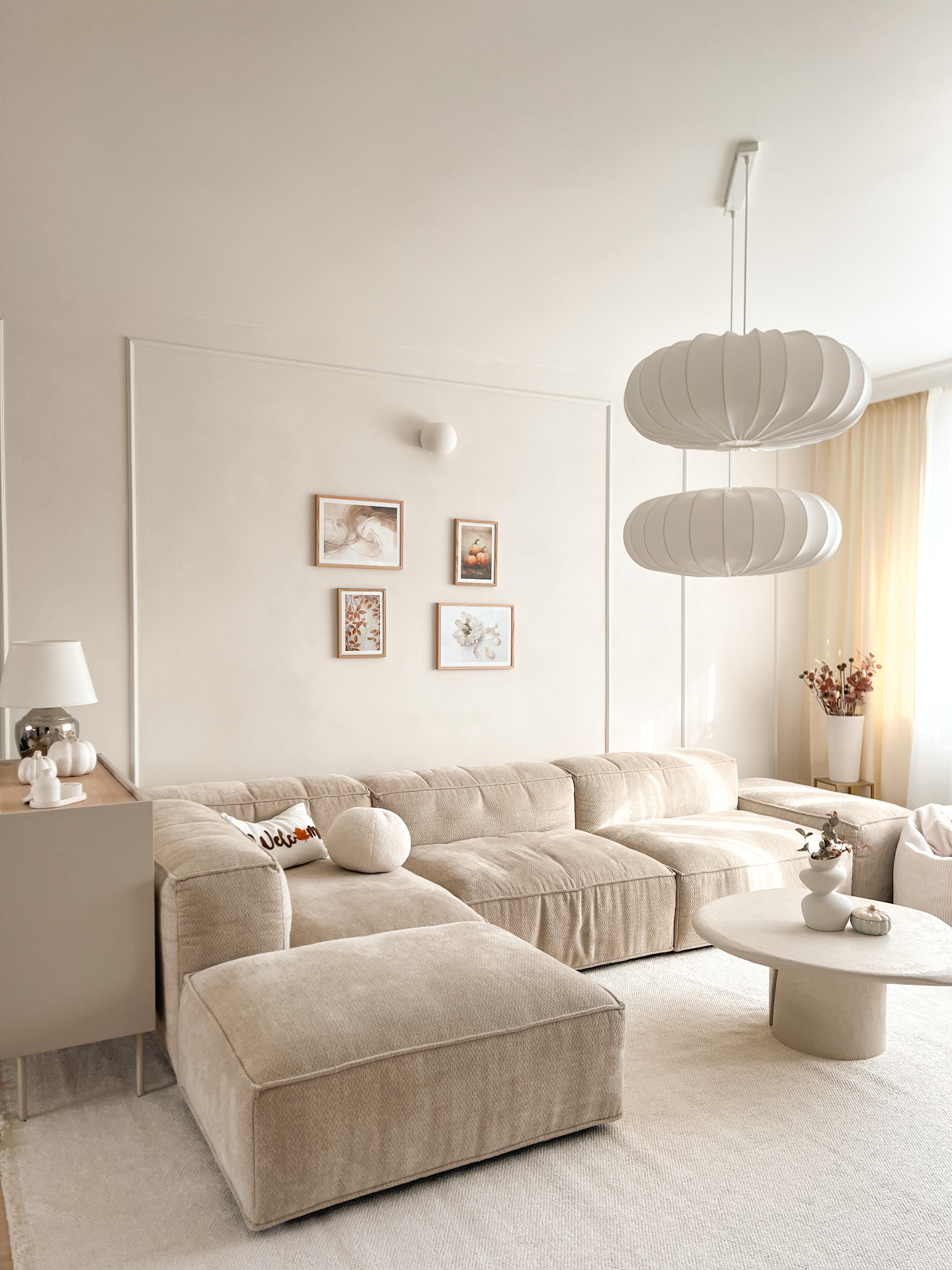
Walk into a furniture showroom in Munich, Antwerp, or Vienna and look at the €4,000 sofa in the window. Roughly half of that price has nothing to do with the sofa itself. It pays for the lease on the showroom, the salesperson's commission, the distributor's margin, the catalogue photography, the regional warehouse, and the brand's own retail markup on top of all of that.
None of those costs improve the frame. None of them change the fabric. None of them add a single hour of upholstery labour. They are the cost of the route the sofa takes to reach you, not the cost of building it.
Where the markup actually lives
A typical European premium-sofa supply chain looks like this:
- Manufacturer cost: €1,600, materials, labour, overhead, profit.
- Distributor margin: +25, 35%, warehousing, regional logistics, B2B sales team.
- Reseller (showroom) margin: +90, 120% on the wholesale price, rent, staff, in-store financing, returns.
- VAT: applied on the inflated retail price, not the manufacturer price.
The sofa that leaves the workshop at €1,600 lands on the showroom floor at €3,800, €4,200. You see the higher number. You assume it reflects a higher-quality product. It does not, it reflects a longer route.
The €4,000 sofa and the €2,000 sofa are often, quite literally, the same sofa.
The reseller math, on a real sofa
Consider a modular three-seater built around a kiln-dried beech frame, HR-foam seat cores, and a 50,000-Martindale weave. The honest manufacturing cost, labour, materials, finishing, sits around €1,400. Sold through one distributor and one showroom in Berlin or Brussels, the same sofa carries a sticker price of €3,800, €4,400.
Direct from the workshop in Poland, the same workshop, the same frame, the same fabric, the sofa ships at roughly €1,900, €2,100, including VAT and white-glove delivery anywhere in the EU. Nothing has been removed from the sofa. Two intermediaries have been removed from the journey.
Why direct doesn't mean lower quality
There is a persistent myth that "if it's cheaper, something must be missing." In the sofa category, this is wrong in a specific way: the structural cost of a sofa, frame, suspension, foam density, fabric, is largely fixed. What varies wildly between brands is the marketing and retail overhead layered on top.
A Lucca-type three-seater built to the same specification as a German designer-brand equivalent uses the same European hardwood, the same German-manufactured suspension webbing, and often the same Italian fabric mills. The only difference is the route to your door.
Speed
When you buy direct from companies like furni.io, your sofa can be in your living room within 3, 4 weeks. That is the real timeline of a made-to-order piece that leaves the workshop and travels straight to your door.
If you are told to wait 8, 12 weeks, you are almost certainly buying through a reseller. The extra months are not spent building a better sofa, they are spent moving it through a distributor warehouse, then a showroom, then finally to you. You pay for that longer route, but you gain nothing from it. The frame, the fabric, and the labour are identical.
What this looks like across Europe
Buyers across the EU are searching for exactly this pattern, different words, same instinct:
- Germany & Austria: sofa direkt vom hersteller, couch direkt vom hersteller kaufen, polstermöbel ab werk.
- Poland: kanapa od producenta, sofa prosto z fabryki.
- Netherlands & Belgium: bank direct van fabrikant, canapé direct du fabricant.
The same buyer behaviour appears in every market: someone who has just been quoted €3,800 in a showroom, opens a phone, and types those words into a search bar. They are looking for what this article is about.
What to do, practically
- Ask the manufacturer who they make for. Many Polish workshops produce for two or three large European retail brands under licence, and sell the same build directly under their own name for half.
- Compare specifications, not brand names. Hardwood species, frame joinery, foam density (kg/m³), and fabric rub count (Martindale) are the four numbers that determine quality.
- Order fabric swatches first. Any direct manufacturer worth ordering from will send you a swatch box for free.
- Check the warranty source. A 10-year warranty from the manufacturer is stronger than a 10-year warranty from a reseller who may not exist in 10 years.
Questions answered
Common questions
- Is it really cheaper to buy a sofa direct from the manufacturer?
- Yes, typically 40, 55% cheaper for an equivalent build. The savings come from removing the showroom lease, the reseller's margin (commonly 2, 2.5× wholesale), distributor warehousing, and sales-floor commissions. The materials, frame, and labour are unchanged.
- How long does delivery take when buying direct?
- Made-to-order sofas typically ship in 3, 4 weeks from the workshop. Resellers often quote 8, 12 weeks because the sofa moves through a distributor warehouse before it reaches their showroom, and only then is dispatched to you.
- How does the warranty work when buying direct?
- The manufacturer issues the warranty itself, commonly 10 years on the frame and 2 years on upholstery and mechanisms. Resellers don't add warranty; they pass the maker's terms through. Buying direct changes the price, not the coverage.
- Can I see or feel the fabric before I order?
- Yes. Direct makers send free fabric sample boxes on request, you handle the actual cloth, see the colour in your own light, and rub-test it against the spot the sofa will live in. This is the single most important step before committing to a made-to-order build.